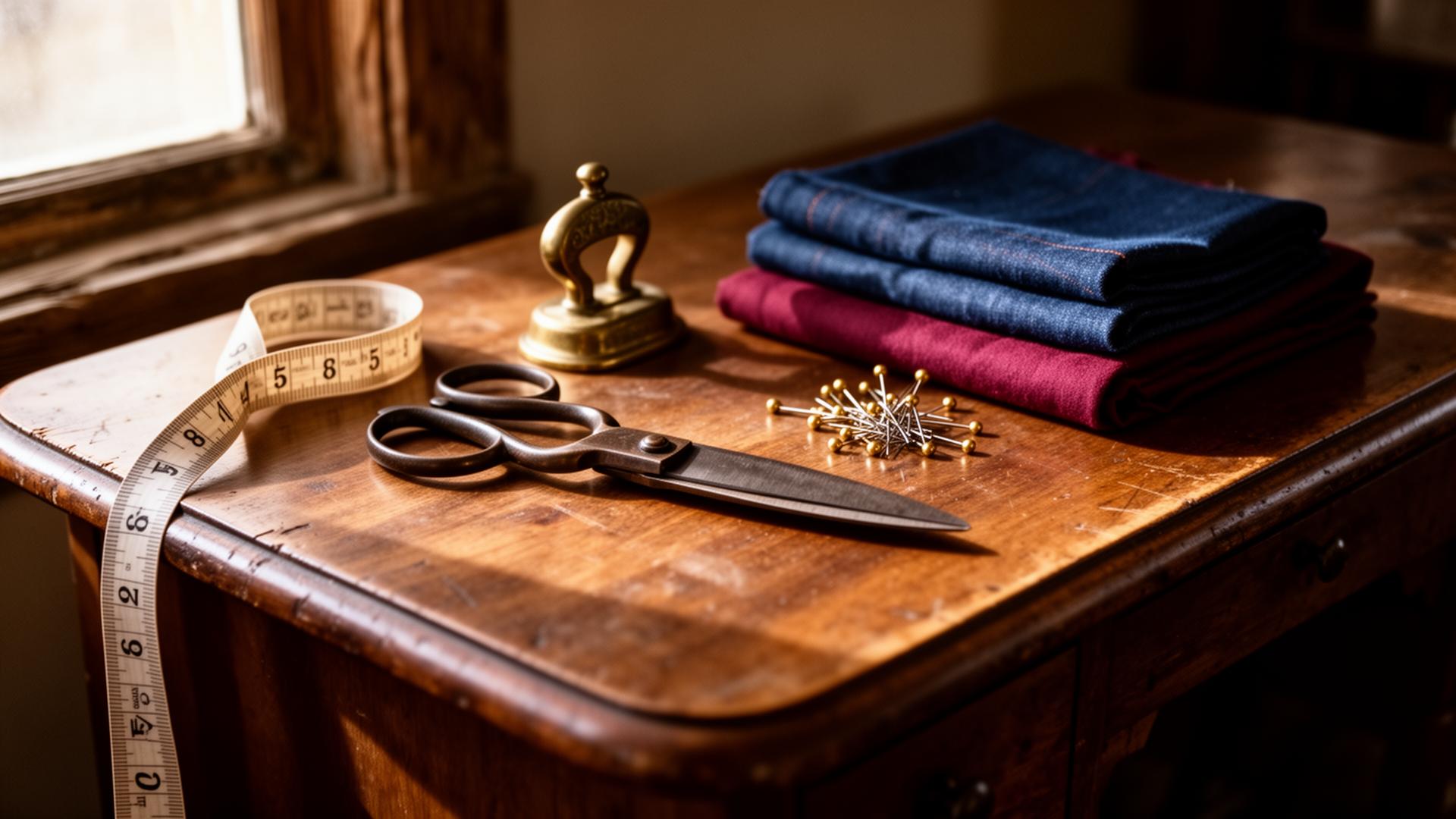
About the Shop
There's a line on every pattern piece that tells you how to cut. Follow the grain, and the fabric hangs the way it's supposed to. Fight it, and nothing sits right. That's the whole philosophy here in a single mark.
The Grainline Mercantile is a shop built by someone who makes things for a living. Not as a hobby. Not on weekends. For a living — for clients, for collections, for the professional world of apparel development where the margin for error is small and the tools you work with matter enormously.
Everything here was made, sourced, or found by someone who has worn out a seam ripper or two.
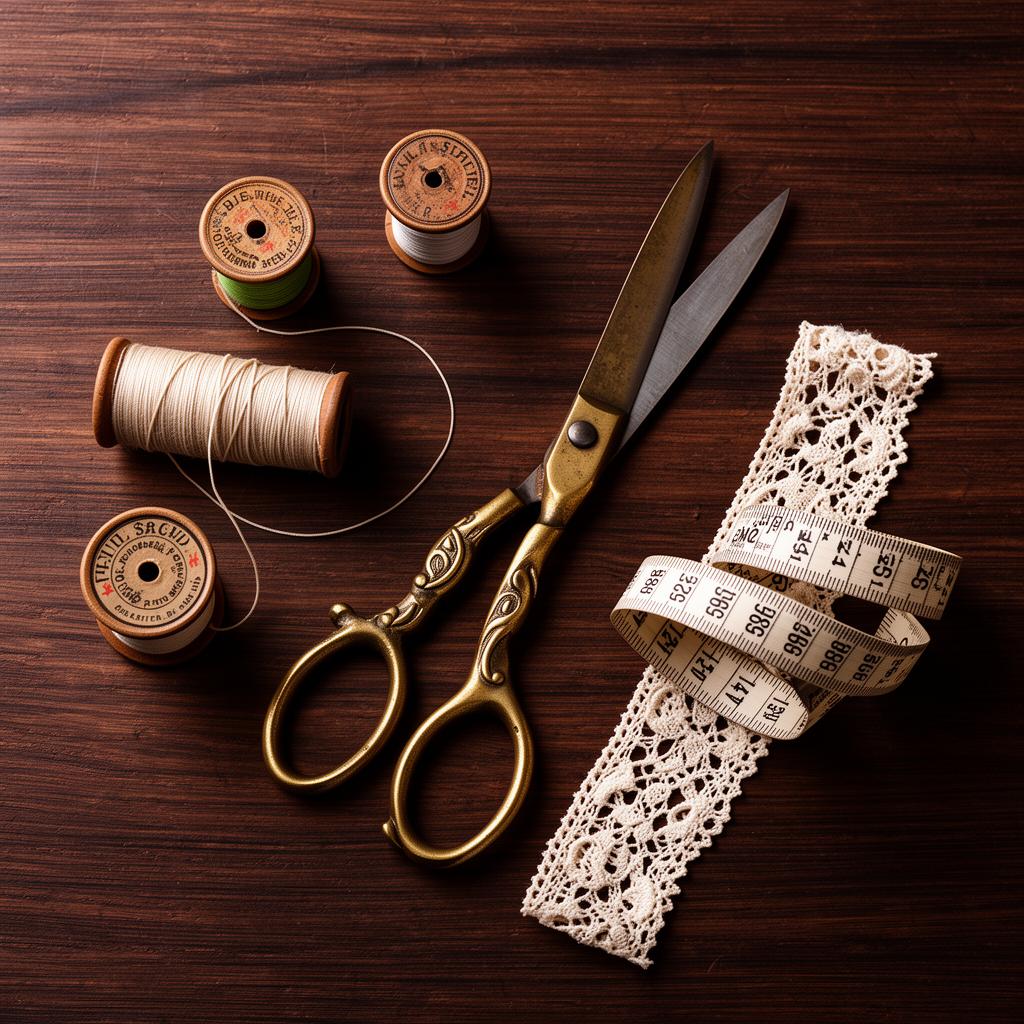
The Mercantile
I grew up around my parents' little shop in California — Rosalinda's Mercantile — named after my mother and a place stocked with Native American jewelry, hand-woven rugs, antique old west furniture, and the kind of beautiful, useful things from the past you didn't know you needed until you saw them. Many of these items were picked up at Indian trading posts in Arizona or curated from side of the road antique shops along Route 66. The idea was simple: my mother's taste was the whole point. You didn't browse the mercantile wondering if something was worth your money. If it was there, someone with beautiful taste had already decided it was.
That shop is why this one is called a mercantile.
I live in Colorado, where the old west isn't nostalgia — it's architecture, it's history, it's the particular quality of light in a mountain town that was once very wealthy and very alive. The silver and gold boom built libraries, opera houses, and mercantiles stocked with imported goods from around the world. Elegance in unexpected places. That's the energy I'm after.
The Founder
This shop was built by April Hoy — someone who has spent a career learning where fabric wants to go. She has drafted patterns and managed prototyping and production, sourced materials on the road, and built the systems that keep a working studio from going under. For a couple of years she lived and traveled in a bus, which will teach you more about what you actually need than any studio ever will. Her work spans the runway and the stage: freelance fashion, theater costuming, and industrial softgoods design (with patents) — three disciplines that between them will test every construction technique you know and several you haven't tried yet.
Every product in this mercantile was needed here first, before it existed anywhere else.
Serenity PLM was born from the particular frustration of managing product development in spreadsheets that didn't speak the language of garments — that couldn't hold a BOM the way a BOM actually works, or track a fit round the way a fit round actually moves. The Notion templates are years of workflow refinement made portable. The patterns and embroidery files come from a cutting table, not a screen — tested by someone who has sewn for the stage, where there is no second fitting and the seams have to hold.
And the fabrics? Those come from the road. From markets and workshops and ateliers in places where textiles are still made with the kind of care and history that you can feel in your hands the moment you lift the bolt.
Come In. Look Around.
Whether you're a freelance designer managing your first production run or a seasoned professional looking for tools that actually understand your work — you're in the right place.
Browse the Shop →